Test Procedures for Flame Retardancy
VW-1 (Vertical-Wire) Flame Test (UL 83) (Formerly FR-1)
This test is very similar to the “All Wires Flame Test.” However, after the initial flame application, the flame is not reapplied after 15 seconds if the sample is still burning. It is reapplied only after the flame is extinguished. If the sample burns for longer than 60 seconds after any application, this constitutes a failure.
Horizontal Flame Test (UL 44, 83)
A moderate flame test conducted on a horizontal sample in a special enclosure. A Tirrill gas burner with a 1,500°F flame is applied to the sample for 30 seconds. The flame must not spread more than 2 inches to the left or right of the application point, and burning particles from the cable must not ignite cotton on the floor of the test chamber.
All Wires Flame Test (UL 83)
This is a vertical flame test conducted in an enclosure using a Tirrill gas burner with a 1,500°F flame. A paper flag is positioned on the sample, 10 inches above the point at which the flame touches the specimen. The flame is applied for 15 seconds, removed for 15 seconds, and then reapplied for 15 seconds. This sequence is repeated for a total of five flame applications. The sample is considered unsatisfactory if more than 25% of the paper flag burns away, if flaming or glowing particles ignite the cotton base of the enclosure, or if the sample continues to burn for more than 60 seconds after the final flame application.
Vertical-Tray Flame Test (IEEE 383)
This is a stringent test usually applied to jacketed cables secured to an 8-foot-high vertical metal ladder-type tray. The combustion source is a ribbon burner with a flame temperature of 1500F and heat source of 70,000 BTU's per hour. Burn time is 20 minutes. The cable must not propagate the flame to the top of the tray, which is 6 feet from the point of application.
Vertical-Tray Flame Test (UL 83, UL 1277)
This test is based on the IEEE test, with minor modifications such as a flame temperature of 1,600°F to 1,750°F.
Vertical-Tray Flame Test (210,000 BTU)
This test is similar to the 70,000 BTU-per-hour test, except the heat output is increased to 210,000 BTUs per hour.
CSA C22.2 No. 210.2
A performance standard for appliance wiring material, includes the following flame test ratings:
- FT1 – Vertical Flame Test (similar to "All Wires Flame Test")
- FT2 – Horizontal Flame Test (similar to "Horizontal Flame Test")
- FT3 – Burning Particles Flame Test (similar to "VW-1 Flame Test")
- FT4 – Vertical Flame Test (similar to "UL1685 Vertical Tray Flame Test")
In some applications, flame spread is only one part of the safety requirement. Cable jackets may also need to limit smoke generation and toxic emissions, which is why low smoke zero halogen compounds are often considered for enclosed or occupied environments.
Flame-retardancy testing helps determine how wire and cable materials perform when exposed to flame, but test requirements vary by application, installation environment, and applicable standards. When selecting wire or cable, always confirm the required flame rating, product marking, and approval standard for the intended use. For additional selection guidance, review IEWC’s guide on how to choose the right wire or cable, or contact IEWC for support evaluating options for your application.
Related Resources
What is a Wire?
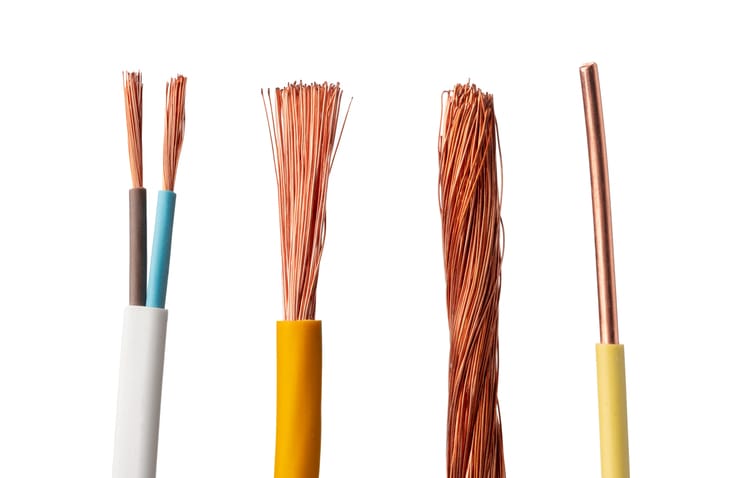
Wire refers to a single, usually cylindrical, strand or rod of metal which is used to carry electricity and telecommunications signals. Learn More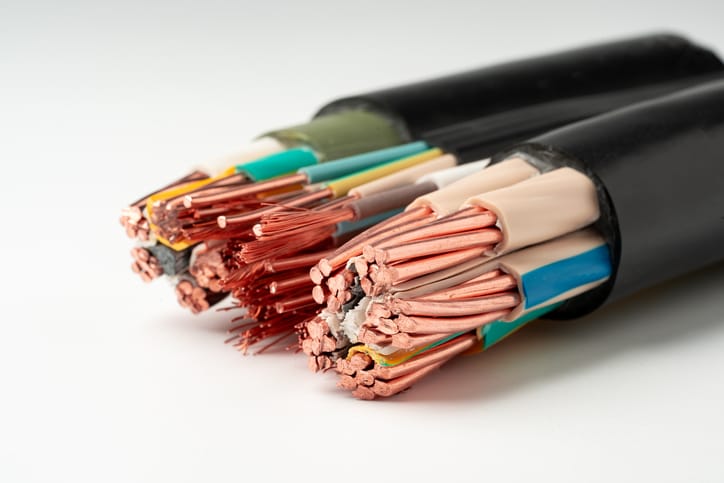
What is a Cable?
Cable, or cabling, consists of the twisting together of two or more insulated conductors.Learn More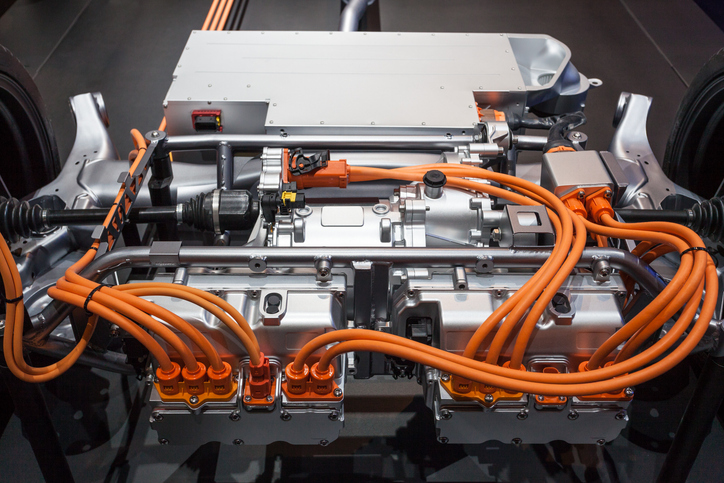
High Voltage Wire & Cable Guide
High-voltage or HV wire and cable are necessary for many industrial applications that rely on dependable high-power transmission. Whether you’re looking for the right HV cable for your application or trying to learn more about how HV wire and cable work, we’ll break it down for you.Learn More